Is Vibe Coding Creating a Crisis for SaaS Companies?
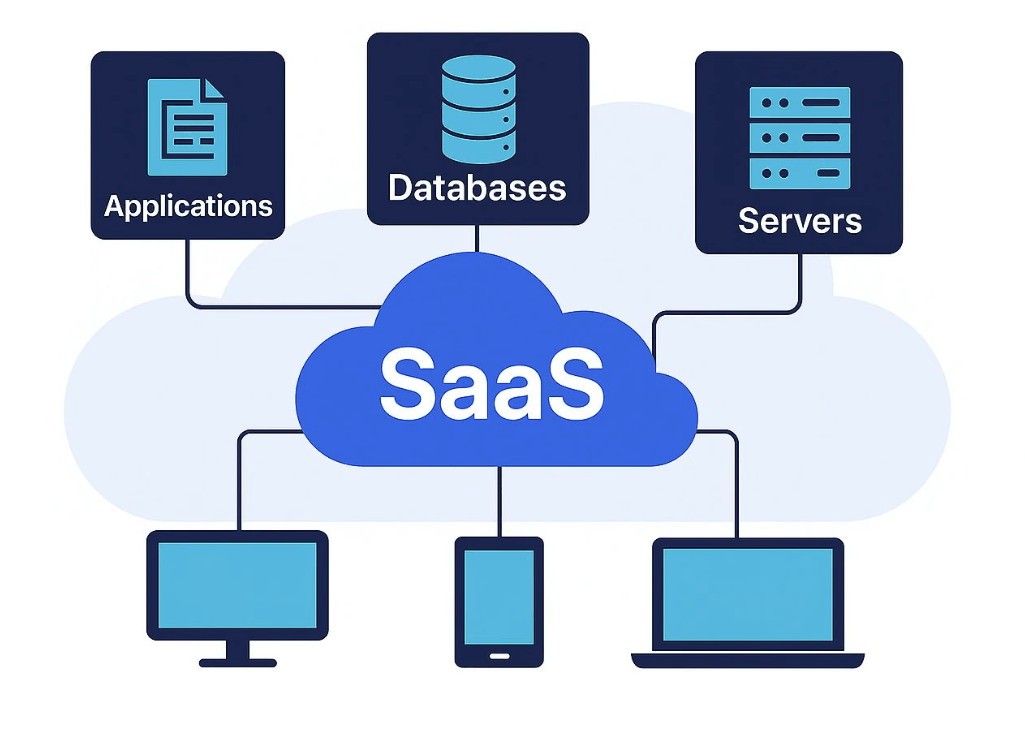
Photo by www.scalingo.com
One rather interesting side effect of AI-enabled development and vibe coding is that people are now starting to question their software subscriptions.
Why pay monthly for a fitness tracker, a task manager, a personal budgeting tool, a habit tracker, or indeed a simple note-taking app when you could build something specifically for your own needs in a few hours?
For developers and techies, this is becoming an increasingly appealing option, particularly if you want greater control over your data.
But building an app and then maintaining a reliable product are two very different things.
Established SaaS platforms provide much more than core functionality. You get the app (mobile and desktop), cloud sync, security, backups, reliability, integrations, and ongoing maintenance. Recreating that whole stack isn’t as straightforward as just creating an interface with AI.
Still, I think vibe coding could be a threat to a particular segment of the SaaS market, i.e., products that have fairly limited functionality, low switching costs, and users who only need a small subset of the features.
This creates an interesting competitive dynamic.
SaaS companies will need to innovate faster, integrate AI more deeply, and build ecosystems so valuable that switching becomes less and less attractive, rather than making it harder through artificial means.
Of course, the bigger companies have the resources to respond; they just can’t afford to get complacent.
AI is reducing the cost of building software. The SaaS model now has to work harder to justify why the software is still worth the price of entry.