Raising Children With Artificial Intelligence
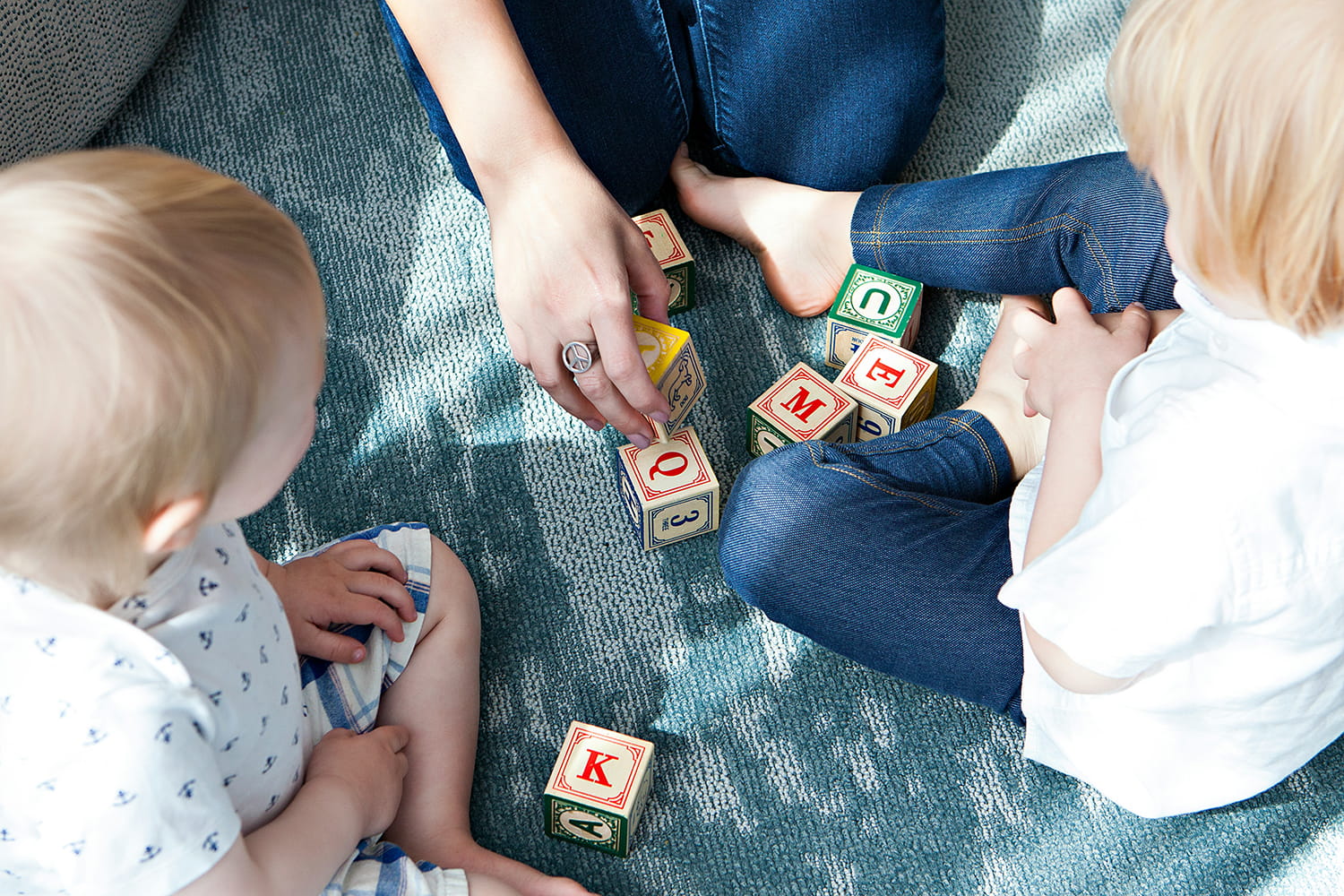
Photo by Marisa Howenstine, Unsplash.
Artificial intelligence is already integrated into childhood through search engines, homework platforms, creative apps, video recommendations, language tools, games, and toys. The key decision for parents is not whether children will encounter AI, but how they will learn to use it.
AI offers significant value in education. A child struggling with a science concept can request a simpler explanation. A student learning a new language can practice without embarrassment. Children with diverse learning needs can access speech, translation, text simplification, and visual support. AI also helps students brainstorm stories, explore interests, receive immediate feedback, and study at a comfortable pace.
For parents, these tools can ease learning challenges. Not every adult recalls algebra, grammar rules, or curriculum details. AI can help parents refresh concepts, generate practice questions, or find alternative explanations. When used thoughtfully, it can make learning more accessible and transform homework into a calmer, more collaborative experience.
However, the risks are equally significant.
The first risk is dependency. Learning requires effort, mistakes, frustration, reflection, and revision. When a tool provides instant answers, children may bypass the mental work essential for understanding. An assignment may appear impressive while masking weak comprehension.
The second risk is accuracy. AI systems can generate confident answers that are incomplete, biased, outdated, or incorrect. Children may lack the subject knowledge or judgment to identify these errors.
The third risk is privacy. Many tools collect prompts, usage patterns, personal details, voice recordings, or uploaded documents. Children may share names, school information, photographs, or private family details without understanding where this information may end up.
There are also social and emotional concerns. AI can simulate patience, attention, and encouragement, but it is not a teacher, parent, friend, or therapist. Children still require human relationships, genuine conversations, disagreement, empathy, and the experience of being understood by another person.
Is AI good or bad for children? In reality, it is neither. AI acts as an amplifier. It can enhance curiosity, creativity, confidence, and access, but it can also increase avoidance, misinformation, distraction, and isolation. The outcome depends on the rules, habits, and relationships that surround its use.
A useful family principle is simple: AI should support thinking, not replace it.
When a child uses AI for schoolwork, ask them to explain the result in their own words. Ask what they agree with, what they question, and how they could verify the information. Encourage them to compare the answer with a textbook, teacher resource, or trusted source. If they cannot explain the output, they likely have not learned the material.
Parents should also establish clear boundaries. Determine which tools are appropriate for the child’s age. Avoid entering sensitive personal information. Keep AI use visible in shared spaces for younger children. Designate activities where AI is not used, such as early writing, mental arithmetic, reading practice, family conversations, and creative play.
Transparency is also important. Children should understand that using AI without disclosure may violate school rules or academic expectations. They need to distinguish between receiving guidance, editing their own work, generating ideas, and submitting machine-generated work as their own.
The most important skill is not prompt writing, but judgment.
Children need to learn when to use a tool, when to question it, when to stop, and when to seek help from a person. They should understand that speed does not equal learning, fluency does not guarantee truth, and a polished answer is not always thoughtful.
The healthiest approach is guided participation. Sit with your child occasionally. Ask what they are doing and explore topics together. Let them see you challenge an answer and verify a claim—model responsible use rather than relying solely on restrictions.
AI will shape the world our children enter. Our responsibility is not to keep them away from it entirely or give them unrestricted access. Instead, we must help them become capable, ethical, curious, and independent users of powerful technology.
That is how AI becomes an educational advantage rather than an intellectual shortcut.