Dark Tourism
Disclaimer: The following article covers delicate topics such as war, genocide, imprisonment, terrorism, political oppression, and mass deaths. Some readers may find the historical events and places this article refers to upsetting. I aim to educate and reflect on the subject. It is not intended to compare one tragedy with another, to minimize the experiences of the victims, or to treat sites of suffering as a form of entertainment. Rather, the article examines the role these sites play in historical memory, education, remembrance, and increasing public understanding.
The article does not compare one tragedy with another or turn places of suffering into tourist attractions; instead, it examines how such sites preserve historical memory, educate future generations, and shape our understanding of the difficult parts of human history.
What is it about war, oppression, imprisonment, genocide, or human suffering that causes millions of people to go to places connected with them?
This is usually known as dark tourism: visiting places associated with suffering, death, conflict, or some of the darkest episodes in human history.
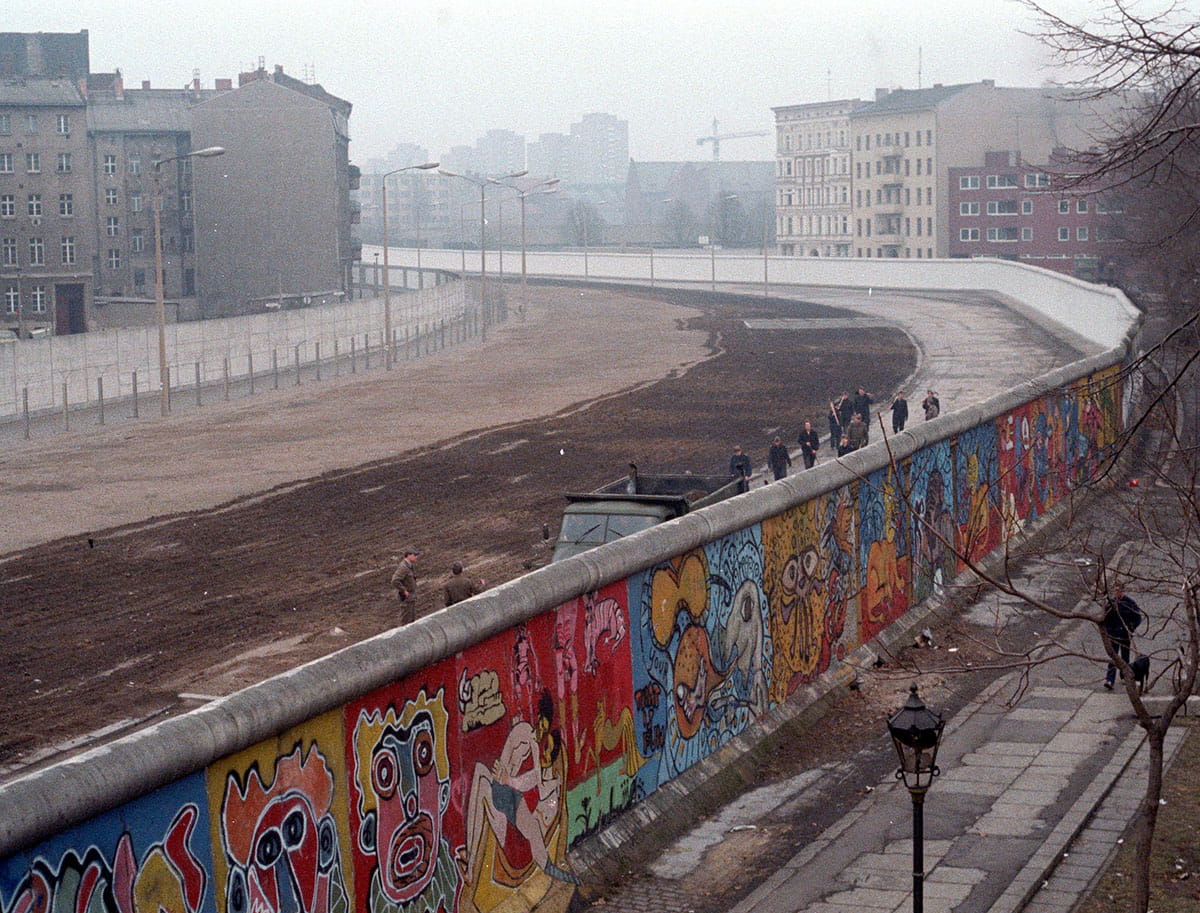
Photo by Wikipedia, Berlin Wall, Germany.
A well-known example is the Berlin Wall. For many years, it stood as a symbol of political division; it restricted people’s freedom of movement, separated families, and became a strong emblem of the Cold War. Today, people from all over the world visit various sections of the Wall. What was originally built to divide people has now become a place where visitors reflect on freedom, political systems, and the effects of division.
But Berlin is just one example.
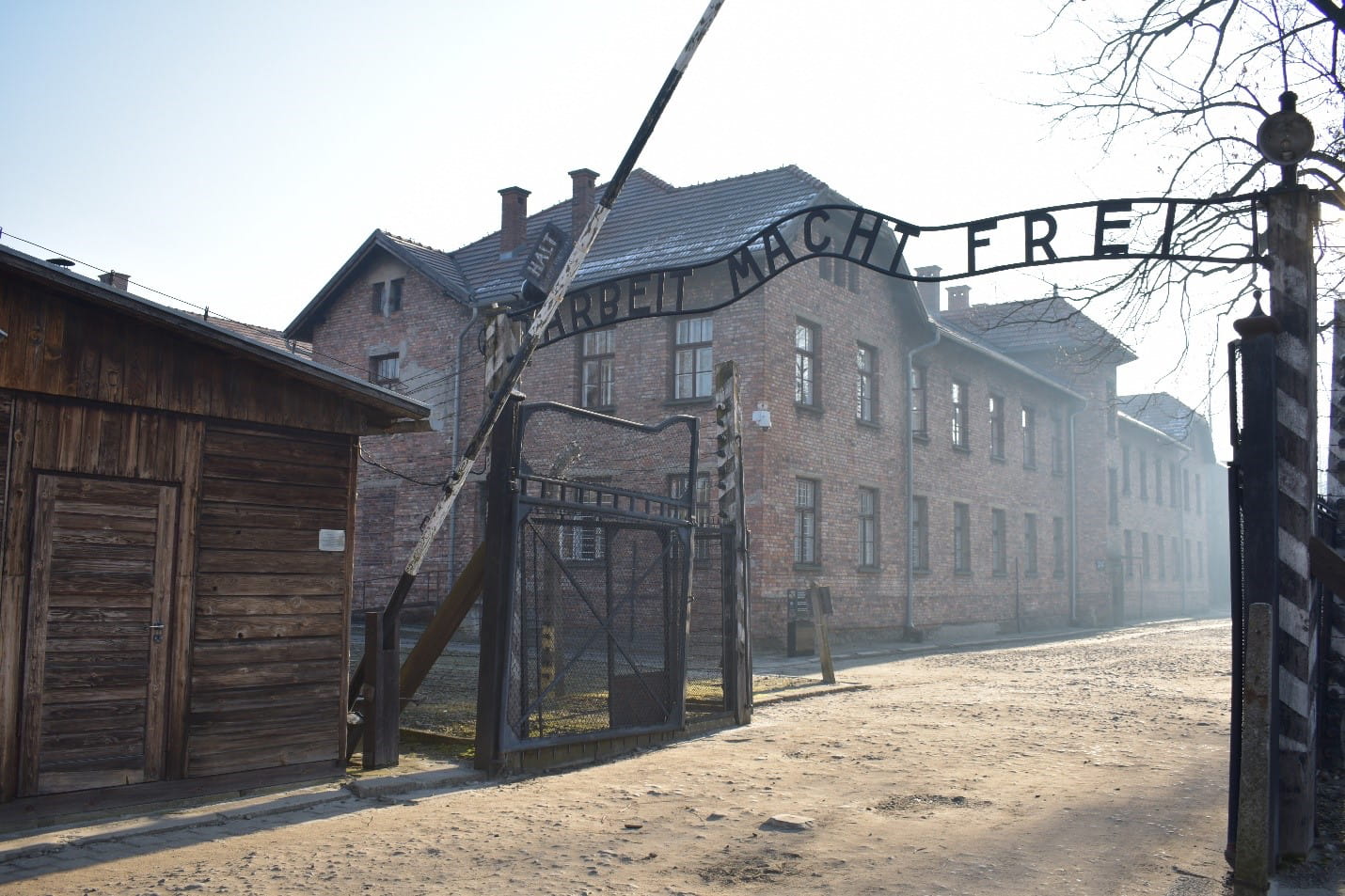
Photo by The National WWII Museum, Auschwitz-Birkenau, Poland.
People from all over the world visit Auschwitz-Birkenau in Poland to come to terms with the reality of the Holocaust; it is not easy to regard such a place as a typical tourist attraction, since people do not go there for amusement but because standing in the actual space where the events took place gives them a kind of understanding that one obtains merely by reading about them.

Photo by Wikipedia, Robben Island, South Africa.
In South Africa, Robben Island—where Nelson Mandela was imprisoned for many years under apartheid—has now become one of the country’s most important historical sites. The prison cells, buildings, and personal experiences of former prisoners turn what would otherwise be abstract political history into a concrete reality.

Photo by Wikipedia, Tuol Sleng Genocide Museum, Cambodia.
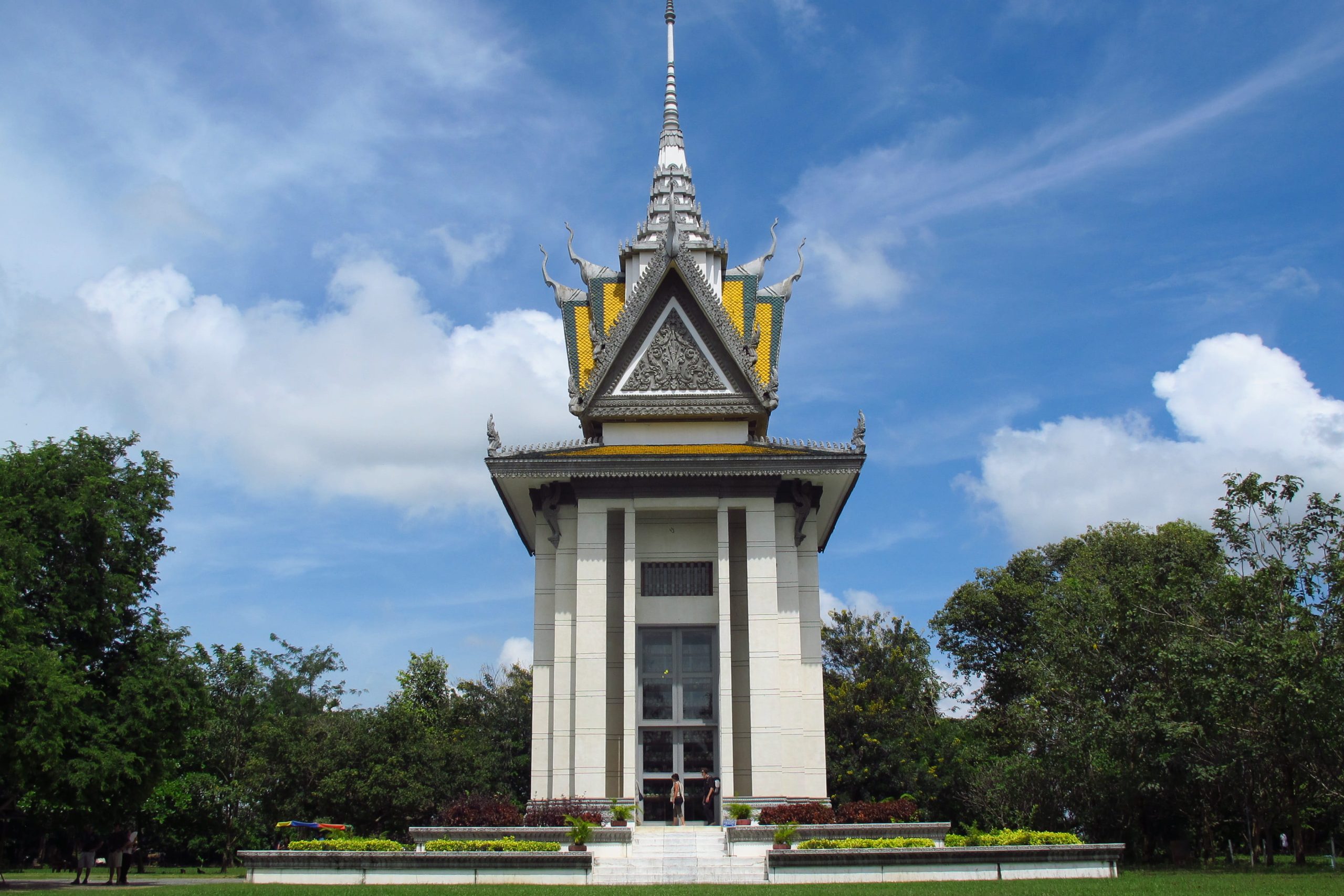
Photo by Wikipedia, Killing Fields of Choeung Ek, Cambodia.
In Cambodia, the Killing Fields and the Tuol Sleng Genocide Museum serve to keep alive the memory of the violence that took place under the Khmer Rouge; they cause visitors to face the way in which political extremism and organized violence can have an impact on ordinary people.
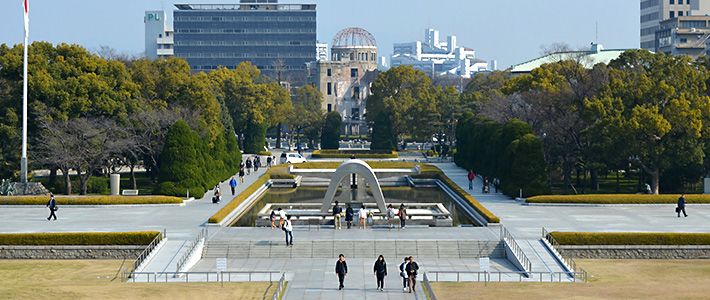
Photo by nippon.com, Hiroshima Peace Memorial, Japan.
The Hiroshima Peace Memorial in Japan provides yet another strong example of this phenomenon; the remains of the Atomic Bomb Dome, together with the other sites in the memorial area, have turned a place linked with devastating destruction into a symbol of peace and remembrance on a global scale.
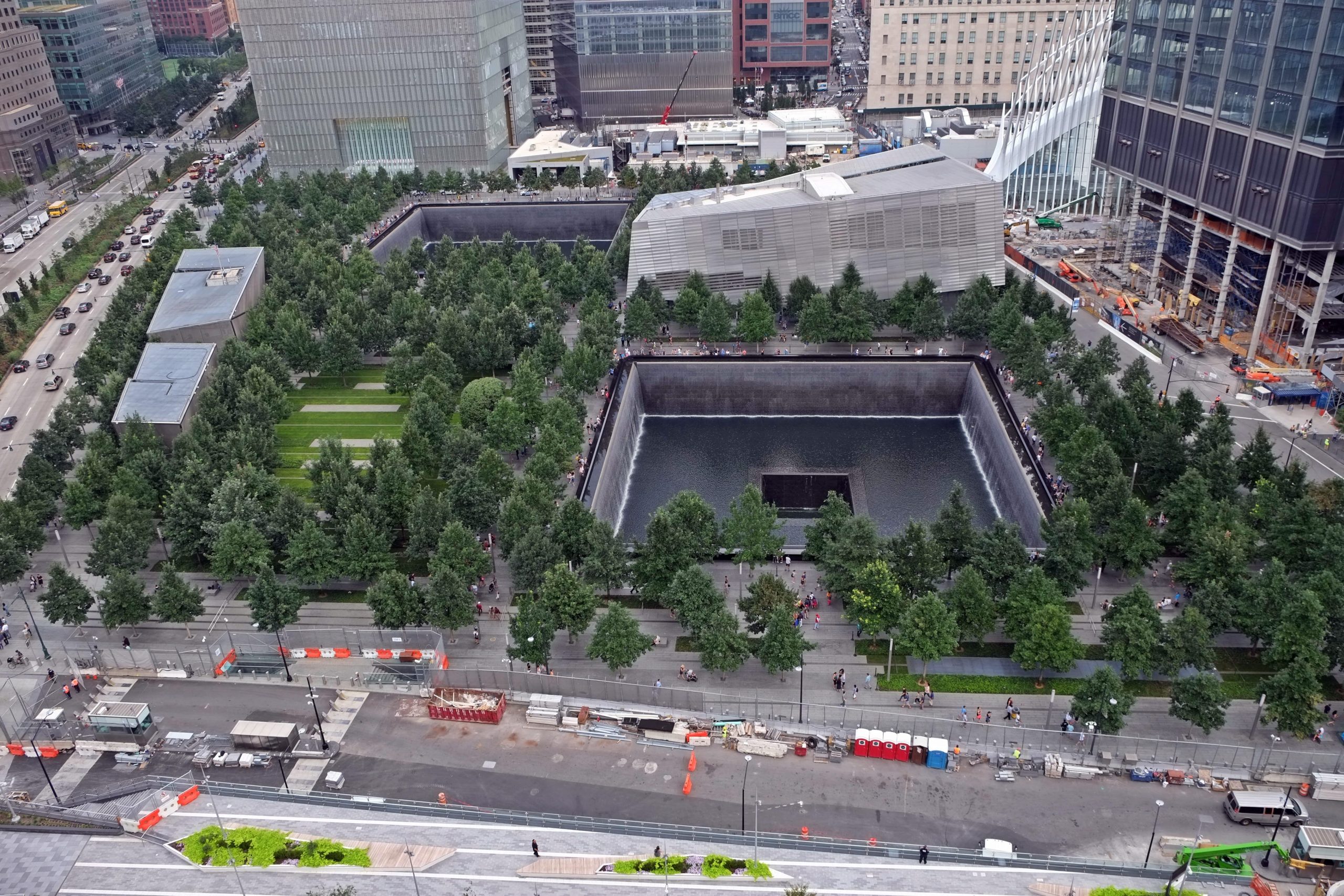
Photo by Wikipedia, 9/11 Memorial & Museum, New York, USA.
The 9/11 Memorial and Museum is in New York, where the World Trade Center towers once stood. For many visitors, the memorial is not just a site associated with a significant historical event; it is a place of personal loss, a repository of collective memory, and an opportunity to consider how one event can alter politics, security, and society around the world.
Similar examples exist almost everywhere.
Closed prisons are turned into museums. Battlefields are transformed into heritage sites. Underground shelters become the subject of guided tours. Locations previously linked with fear and repression are now used as places where future generations can learn about what took place.
This raises a significant question: is it education when you preserve a painful site, and when does it amount to the commercialization of suffering?
Dark tourism is now facing an ethical dilemma.
On the one hand, such sites can preserve historical memory since they let younger generations come to know history in a way that goes beyond what is found in textbooks and enable the victims to have a voice, combat denial, and serve as a reminder to societies of the consequences when discrimination, authoritarianism, hatred, or violence are not checked.
On the other hand, turning places of suffering into tourist destinations also carries risks.
If people focus more on taking dramatic photographs than on learning a place’s history, tragedy can end up serving as a backdrop for the material presented. If souvenirs, entertainment, or aggressive commercialization take over the experience, then the site’s significance can easily be diminished.
That is why dark tourism is not merely about the places we visit; it also depends on how we behave when we arrive.
The difference between going to a historical site out of curiosity and respect and treating other people’s suffering as an experience is great.
Maybe the true value of such places lies not in the fact that they draw in tourists but in the fact that they make it physically impossible to ignore the history.
Things like a wall, a prison cell, a ruined building, or a pair of empty shoes can convey something statistics generally cannot.
This reminds us that history wasn’t confined to books.
This happened in real locations, with real people.
And in many cases, those places are still standing.