What Are Behavioral Sharp Edges?
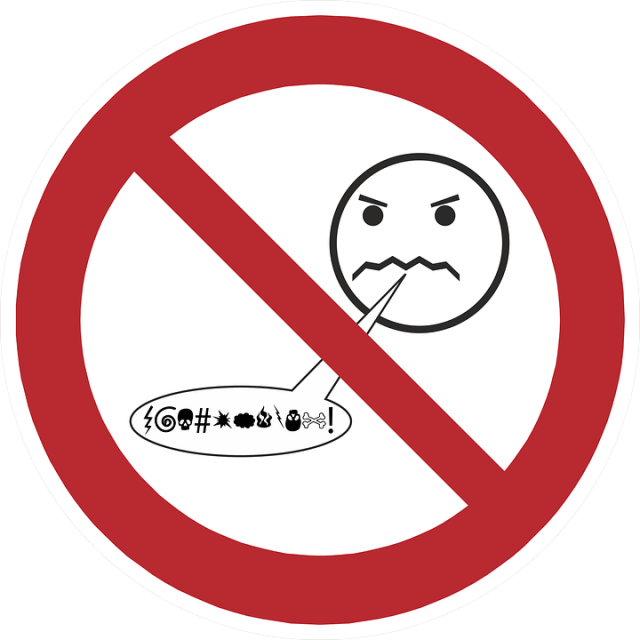
Human interactions are rarely smooth all the time. Some behaviors act like “sharp edges” in a person’s communication style. They create friction, scratch the surface of relationships, and sometimes push people away. These behavioral sharp edges do not necessarily mean someone has a bad personality. In many cases, they are the result of past experiences, communication habits, psychological pressure, or learned behavioral patterns.
What Does a Behavioral Sharp Edge Mean?
A behavioral sharp edge refers to reactions, habits, or communication styles that create tension in social interactions. These behaviors may seem manageable at first, but over time they can slowly wear down relationships.
Common examples include:
- Reacting too quickly or aggressively during discussions.
- Interrupting other people while they speak.
- Giving blunt criticism without considering emotions.
- Using a controlling or inflexible tone.
- Being overly sensitive to feedback or criticism.
Why Do These Sharp Edges Develop?
These traits usually do not appear randomly. There are several common reasons behind them.
- Past Experiences: People who grew up in highly competitive or emotionally tense environments often learn that they need to be louder, tougher, or more aggressive in order to be heard and respected.
- Communication Style: Some individuals are naturally direct and straightforward. Without emotional awareness or balance, this directness can come across as harshness.
- Stress and Psychological Pressure: Chronic stress reduces patience and increases emotional reactivity. In stressful situations, people tend to filter themselves less and react more impulsively.
- Lack of Honest Feedback: When someone does not receive clear and constructive feedback over time, they may never become aware of the impact their behavior has on others.
- The Impact on Relationships: Behavioral sharp edges can sometimes appear effective in the short term. For example, they may help someone win an argument quickly or push decisions forward. However, the long term costs are often significant.
These behaviors can lead to:
- Reduced trust in personal and professional relationships.
- Emotional distance between people.
- Repetitive conflicts and misunderstandings.
- Lower collaboration within teams.
- Misinterpretation of intentions.
Should These Behaviors Be Eliminated?
The goal is not to erase personality traits completely. The goal is refinement. A personality without any edges can feel artificial or emotionally flat. What matters is learning how to manage these edges instead of allowing them to control interactions.
How Can Behavioral Sharp Edges Be Softened?
- Increase Self Awareness: The first step is recognizing the behavior. Many people are unaware of these patterns until they receive honest feedback.
- Adjust the Tone, Not the Message: Sometimes the issue is not what is being said, but how it is being communicated.
- Pause Before Reacting: Even a few seconds of pause can reduce emotional intensity and create space for a more thoughtful response.
- Ask for Feedback: Honest feedback from trusted people is one of the fastest ways to identify and improve harmful patterns.
- Practice Cognitive Empathy: Before responding, try to understand the other person’s mental and emotional perspective rather than focusing only on their words.
Behavioral sharp edges are a natural part of being human. However, when left unmanaged, they can slowly damage relationships and create unnecessary tension. The real skill is not removing every edge from your personality. It is learning when firmness is necessary and when softness creates a better connection.